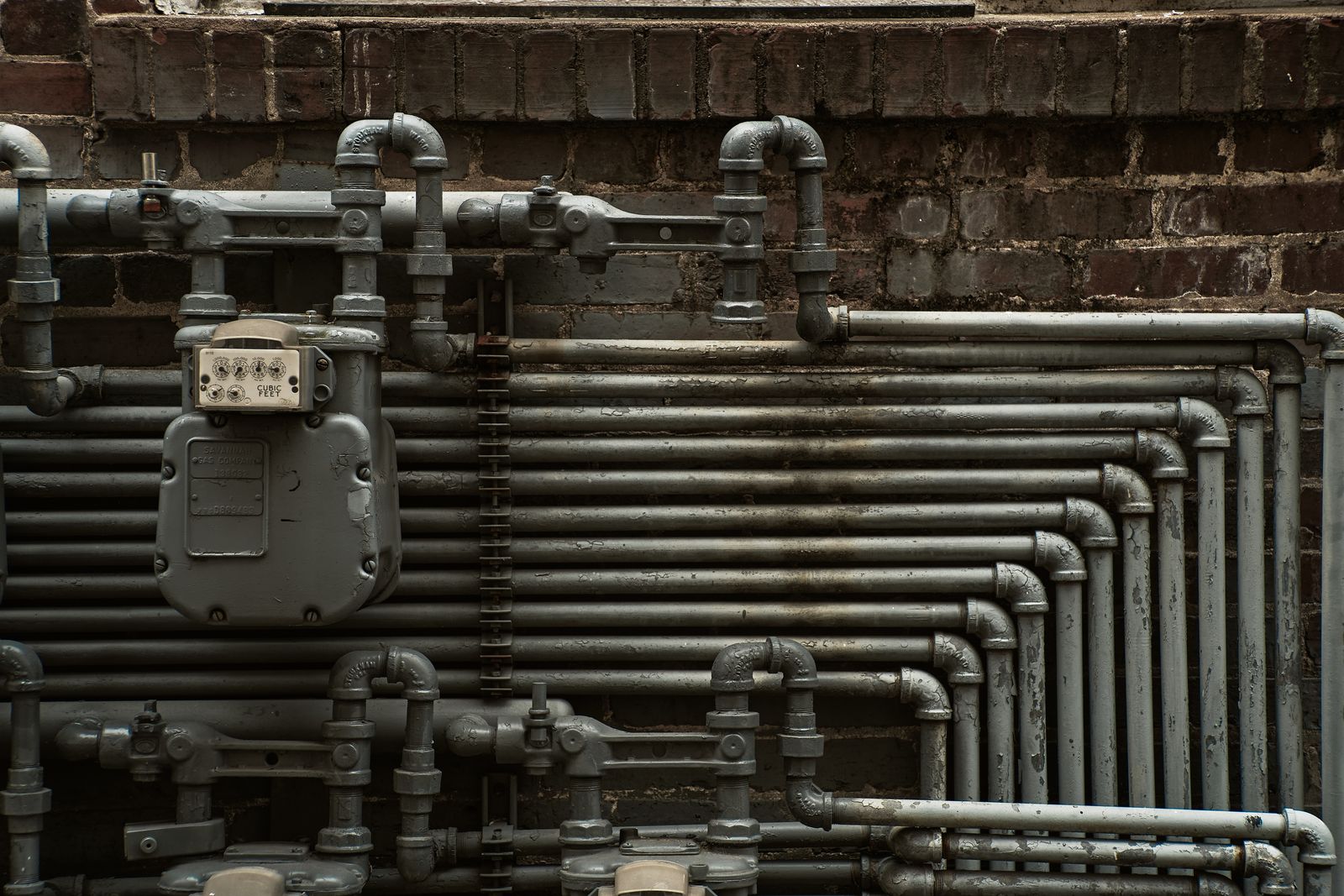
How a gas water heater works
A gas water heater in Burke is a simple machine at heart. Cold water enters through the dip tube and is carried to the bottom of the tank. A gas burner under the tank heats the water, and the hot water rises to the outlet at the top. Combustion gases travel up a flue through the middle of the tank and out through the vent.
A gas control valve on the front of the heater reads the water temperature and opens or closes the gas supply to the burner. On many standing-pilot models a small pilot flame stays lit to ignite the burner, and a thermocouple or flame sensor confirms the pilot is burning before gas is allowed to flow. Inside the tank, an anode rod helps protect the steel from corrosion.
Pilot light keeps going out? Pilot, burner and gas-control problems
If the pilot light keeps going out, the cause is often one of a few parts working together. Thermocouple problems are common: the thermocouple is a small sensor that sits in the pilot flame, and if it wears or bends away from the flame, the gas control shuts off the pilot as a safety measure. A dirty pilot tube, a draft in the room or a gas control valve that is failing can cause the same symptom.
Burner problems show up differently. A weak, yellow or uneven flame, soot around the burner area or a heater that takes far longer to recover can all point to a burner that needs cleaning or an air supply problem. We describe these parts so you know what the technician is checking. Relighting and adjusting gas controls is work for the pro.
Venting and draft: why it matters
A gas water heater must send its combustion gases outside. On many older homes this happens through a vent that rises naturally from the top of the heater, often shared with the furnace. For that to work, the vent needs the right size, slope and connections, and the room needs enough air for combustion.
The technician checks the draft at the vent, looks for rust, gaps or disconnected sections and confirms nothing is blocking the air supply. If something is not right, they explain it calmly and recommend the fix. A good working carbon monoxide alarm in the home is always a sensible precaution.
Closet installations deserve a closer look. A gas heater in a small enclosed space still needs a steady supply of combustion air, usually through vents in the door or ducts to another space. When a closet has been tightened up with a new solid door or extra storage shelves, the flame can starve for air and burn poorly. The technician checks those openings and the clearances around the heater as part of every gas visit, and explains anything that needs to change before a new unit goes in.
Safety box. Smell gas? Leave the home and call the gas utility and 911 from outside. Carbon monoxide alarm sounding? Leave and call 911. Do not try to find the source yourself.
Gas water heater replacement vs repair
Many gas heater problems are repairable. Thermocouples, flame sensors, pilot assemblies, gas control valves and burner parts can be replaced on a tank that is otherwise sound. That is often the right call on a heater that is still in good condition.
Gas water heater replacement becomes the better option when the tank itself is leaking, when rust is showing at the base or around the fittings, or when the heater is old and several parts are failing at once. The technician gives you both prices and explains the reasoning. If you decide to replace, the water heater installation page covers sizing and what happens on the day.
Power-vent and direct-vent models
Not every gas heater uses a traditional vent. A power-vent model has a fan on top that pushes combustion gases out through a pipe, which can run sideways through a wall. That gives more flexibility on where the heater sits, but the fan needs an electrical outlet nearby.
A direct-vent model draws combustion air from outside and sends exhaust back out through a sealed vent, keeping the combustion process separate from the room. Both styles can suit Burke homes where the existing chimney or flue is not a good match for a new heater. The pro explains whether either makes sense for you.
Popping, rumbling and other sounds
Popping or rumbling from a gas heater is usually sediment. Minerals collect on the bottom of the tank, water gets trapped underneath and boils in small bursts when the burner fires. It is not usually an emergency, but it does make the heater work harder and can shorten tank life.
Flushing the tank as part of water heater maintenance can reduce the noise if sediment has not hardened too much. If your home has an electric water heater instead, sediment causes similar sounds there too.
Gas water heaters in Burke homes
Natural gas is the most common way to heat water in Burke's 1970s and 1980s homes. In split-levels and colonials the heater usually sits in a basement or lower-level utility room, often sharing a vent with the furnace. In townhomes it may be in a closet, where clearances and air supply need particular attention.
Older shared vents are one reason technicians check draft carefully when replacing a heater here. If you live on the wooded south-west side, see what is covered for water heater repair in Longwood Knolls. For 1973 split-levels with finished lower levels, read about water heater repair in Burke Station Square.
Do not relight it. Call and a local tech will check why.