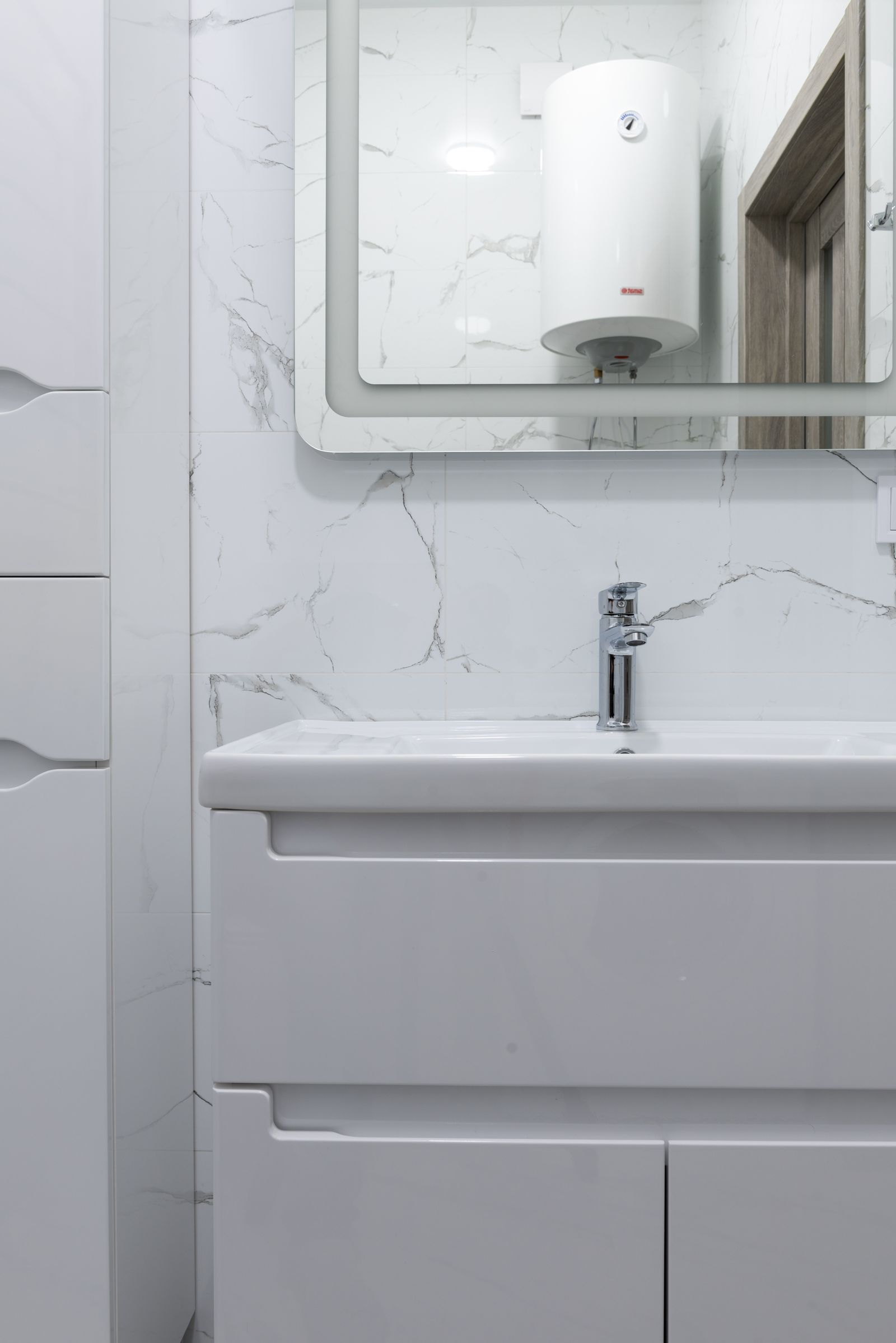
How a tankless unit heats water
A tankless water heater in Burke works very differently from the tank most homes here grew up with. Instead of keeping a large volume of water hot all day, it heats water only when a tap opens. Cold water flows through a heat exchanger, a gas burner or electric element switches on, and hot water comes out the other side. When the tap closes, the unit goes quiet.
Because there is no storage tank, the unit is compact and usually mounted on a wall. The trade-off is that it can only heat so much water at once. That is measured as flow rate, and it is the single most important number when deciding whether tankless suits a household.
Is tankless a good fit for this home?
Tankless can be an excellent choice, but it is not right for every house. The technician looks at four things before recommending one.
- Gas supply. Gas tankless units can need more gas at full output than a tank heater, so the existing gas line may need to be checked or upsized.
- Venting. Gas models need their own vent, often a sealed vent through a side wall. The route has to suit the room.
- Power. Gas units need a standard outlet for their controls. Whole-home electric tankless units need substantial electrical capacity, which an electrician assesses.
- Flow. How many fixtures run at the same time decides how large the unit needs to be.
If those line up, tankless can open up floor space and deliver steady hot water. If they do not, a well-chosen tank may serve you better, and the pro will say so.
Tank to tankless conversion: what changes
A tank to tankless conversion is more than swapping one appliance for another. The old tank is drained and removed. The new unit is mounted on a wall, water lines are rerouted to it, a new vent is installed for gas models and the gas or electrical supply is adjusted where needed. Isolation valves are usually added so the unit can be descaled later.
Because the work varies so much between homes, the technician walks the space with you and prices the full job upfront. Tankless water heater installation is a project worth planning rather than rushing, unless your old tank has already failed.
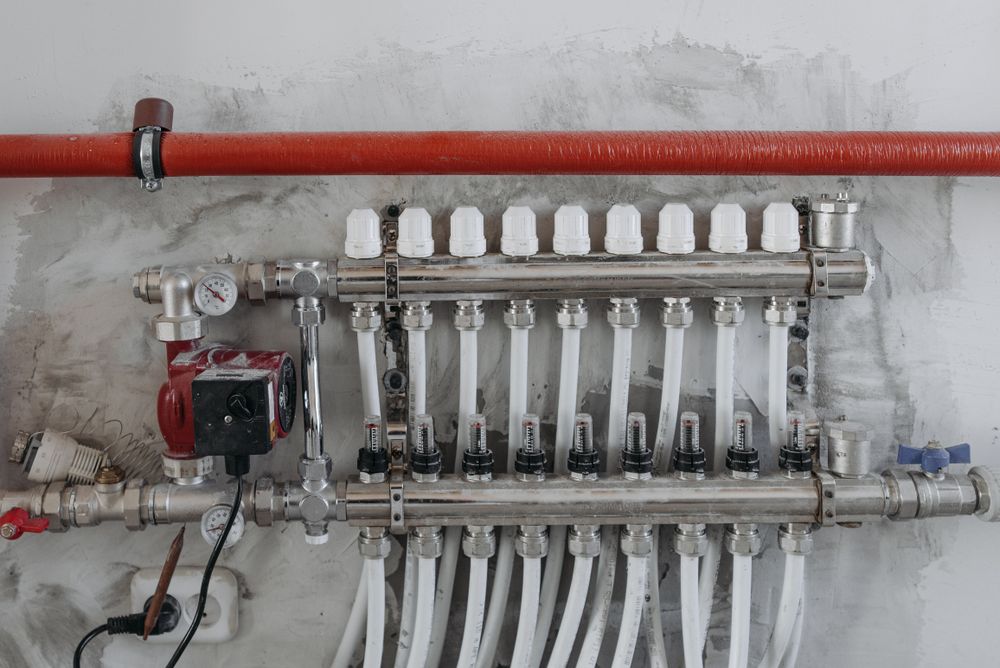
Tankless water heater repair: error codes, scale and ignition
Error codes are a tankless unit's way of reporting what went wrong, and they are specific to the brand and model. Write the code down before calling, because it tells the technician where to start and sometimes which part to bring. Common causes include scale on the heat exchanger, a blocked inlet screen, ignition or flame-sensing problems, venting faults and gas supply that cannot keep up with demand.
Most tankless problems announce themselves with an error code on the display. Codes vary by manufacturer, but common causes include ignition or flame problems, a blocked air intake or vent, low gas pressure, a flow sensor that is not reading and scale build-up in the heat exchanger. The code points the technician in the right direction, and they confirm the cause before replacing any part.
Tankless water heater repair is not a DIY job. These units have sealed combustion systems and sensitive electronics, and opening them can make a simple fault worse. Note the code, take a photo and call. If your unit is gas and the problem looks like a flame issue, the gas water heater guide explains the related parts in plain language.
Descaling and yearly care
Minerals in water can settle as scale inside the heat exchanger. Over time scale reduces efficiency, causes temperature swings and can trigger error codes. Most manufacturers recommend periodic descaling, which flushes a cleaning solution through the unit using the isolation valves.
How often depends on how much the unit is used and the water in your home, so ask the technician to suggest a schedule. A yearly look at the air intake, vent and inlet filter screen is also sensible. These checks are part of water heater maintenance visits as well.
Tank vs tankless, honestly
| Question | Tank heater | Tankless heater |
|---|---|---|
| How hot water is made | Heated and stored in the tank | Heated as it flows |
| Space | Needs floor space | Wall-mounted, compact |
| Long showers | Limited by tank size and recovery | Continuous, within its flow limit |
| Several fixtures at once | Shares the stored supply | Limited by flow rate |
| Upkeep | Flushing and anode checks | Descaling and filter checks |
Neither option is right for everyone. Running costs depend on how your household uses hot water and on fuel prices, so we do not quote savings figures. The technician will explain how each option would behave in your home so you can decide.
Tankless in Burke homes
Burke's split-levels and colonials from the 1970s and 1980s usually have a gas tank heater in a basement or lower-level utility room. Those rooms often have an outside wall nearby, which can make venting a tankless unit straightforward. Townhomes are different: the heater may sit in an interior closet, so the vent route and clearances need careful checking.
Winters here bring colder incoming water, which means a tankless unit has to raise the temperature further in January than in July. That affects sizing, and the technician accounts for it. On the wooded lots in the south-west of Burke, homes vary widely in layout, which is why we look before recommending. See what is covered for water heater repair in Longwood Knolls and water heater repair in Burke Station Square. A unit dripping from its base is covered in the leaking water heater guide, and a sudden loss of heat in the no hot water guide.
Read it out on the call and the tech arrives prepared.