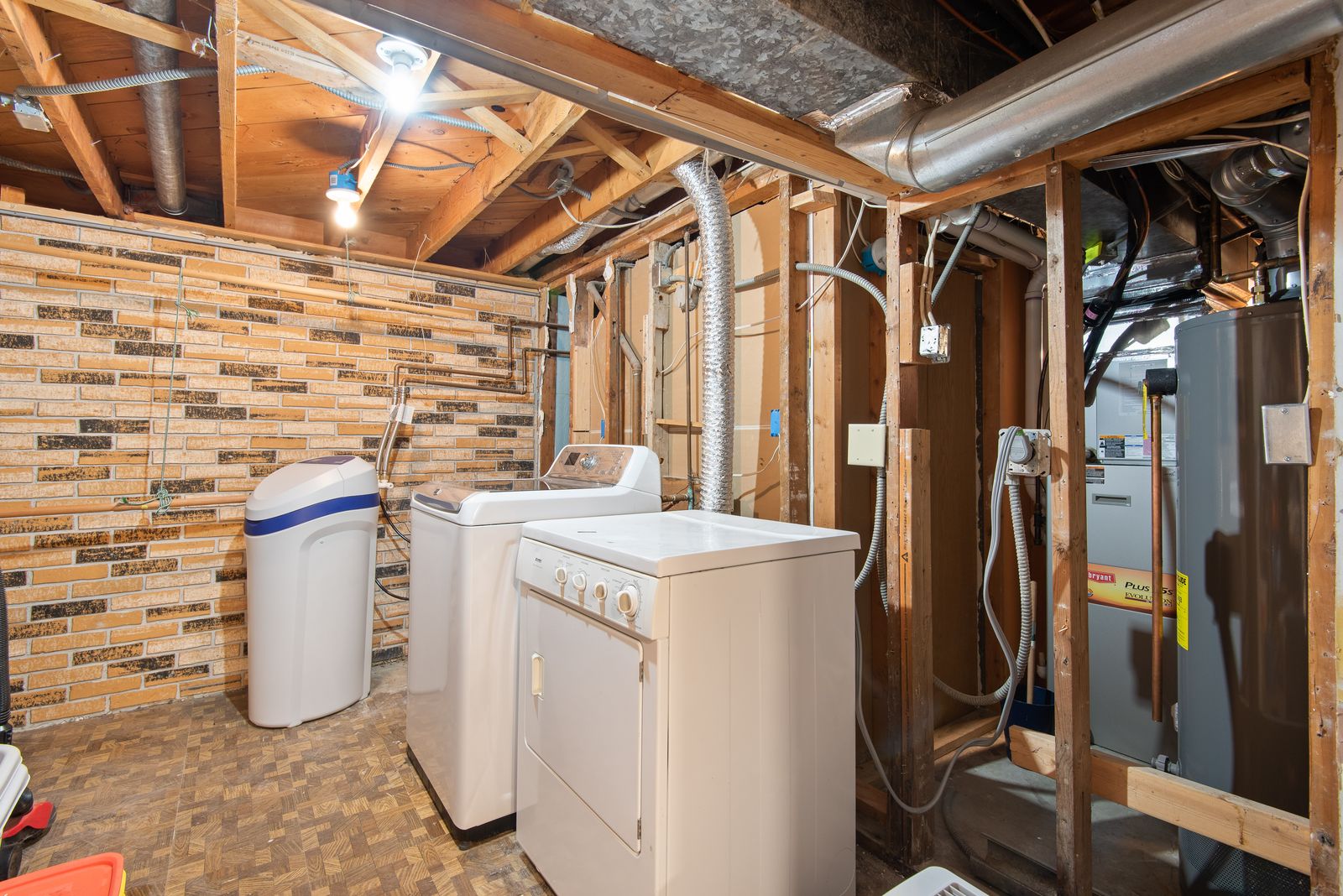
Leaking water heater in Burke: what to do right now
If you have found water around the water heater, the first job is to stop more water reaching the floor. Most tank heaters have a cold-water shut-off valve on the pipe that enters the top of the unit. If you can reach it without standing in hot water or touching anything electrical, turn it clockwise until it stops. That shuts off the supply feeding the tank, which slows or ends most leaks.
Next, move boxes, rugs and anything stored nearby out of the way, lay towels down and keep children and pets clear. Water near the base of a heater can be hot, and wet concrete or tile is slippery. Then call and describe what you see. A leaking water heater in Burke is one of the most common calls this service connects, and the person who answers will ask a few short questions so the right tech is sent.
Where the water is coming from: fittings, valves or the tank
Not every puddle means the tank itself has failed. Water can travel along a pipe and drip from the lowest point, so where it lands is not always where it starts. The technician works from the top of the heater down and checks each likely source in turn.
- Supply connections on top. The hot and cold lines can seep at a threaded fitting or a flexible connector. These are often repairable.
- The temperature and pressure relief valve. A relief valve leaking, or water at the end of its discharge pipe, can mean the valve is worn or that pressure or temperature in the tank is running high. It is a signal to investigate, not something to tamper with.
- The drain valve near the bottom. The small valve used for flushing can drip if it is not fully closed or the washer has worn.
- Condensation. On gas units, moisture can form when very cold water fills a warm tank, which is common in Burke winters. It usually clears once the water heats.
- The tank body. A water heater leaking from bottom seams or through the jacket usually points to corrosion inside the steel tank.
| Where you see water | Likely source | Usual outcome |
|---|---|---|
| Top of the heater | Supply fitting, connector or valve | Often a repair |
| Relief valve pipe | Worn valve, or high pressure or temperature | Valve and pressure checked |
| Near the drain valve | Valve not seated or worn washer | Often a repair |
| Under the tank or through the jacket | Internal corrosion of the tank | Replacement |
Leaks that can be repaired vs a tank that has failed
The honest answer depends on where the water is coming from. A loose fitting, a dripping drain valve or a relief valve that needs replacing can usually be fixed, and the heater can go back into normal service. Those are the calls where a homeowner is relieved they rang before buying a new unit.
A leak from the tank itself is different. The steel tank is lined to resist corrosion, and once rust has worked through that lining there is no lasting patch. When the technician confirms the tank is the source, they explain why and talk you through replacement options. You get the price before anything is removed, and you can decide without pressure. Age matters too: the label on the side usually shows a manufacture date, and an older tank with a slow seep is worth replacing on your schedule rather than after a bigger failure.
Protecting floors, closets and ceilings below
Where the heater sits decides how much a leak can damage. In many Burke split-levels and colonials it lives in a basement or lower-level utility room, sometimes next to finished space with carpet or drywall. In townhomes and condos it is often in a closet on a main or upper floor, so water can reach the ceiling of the room below or a neighbour's unit.
While you wait, move anything that can soak up water, keep towels along the edge of the puddle and check the room underneath if the heater is upstairs. Photos of the area and the heater label are useful for your own records and for any conversation with your insurer later.
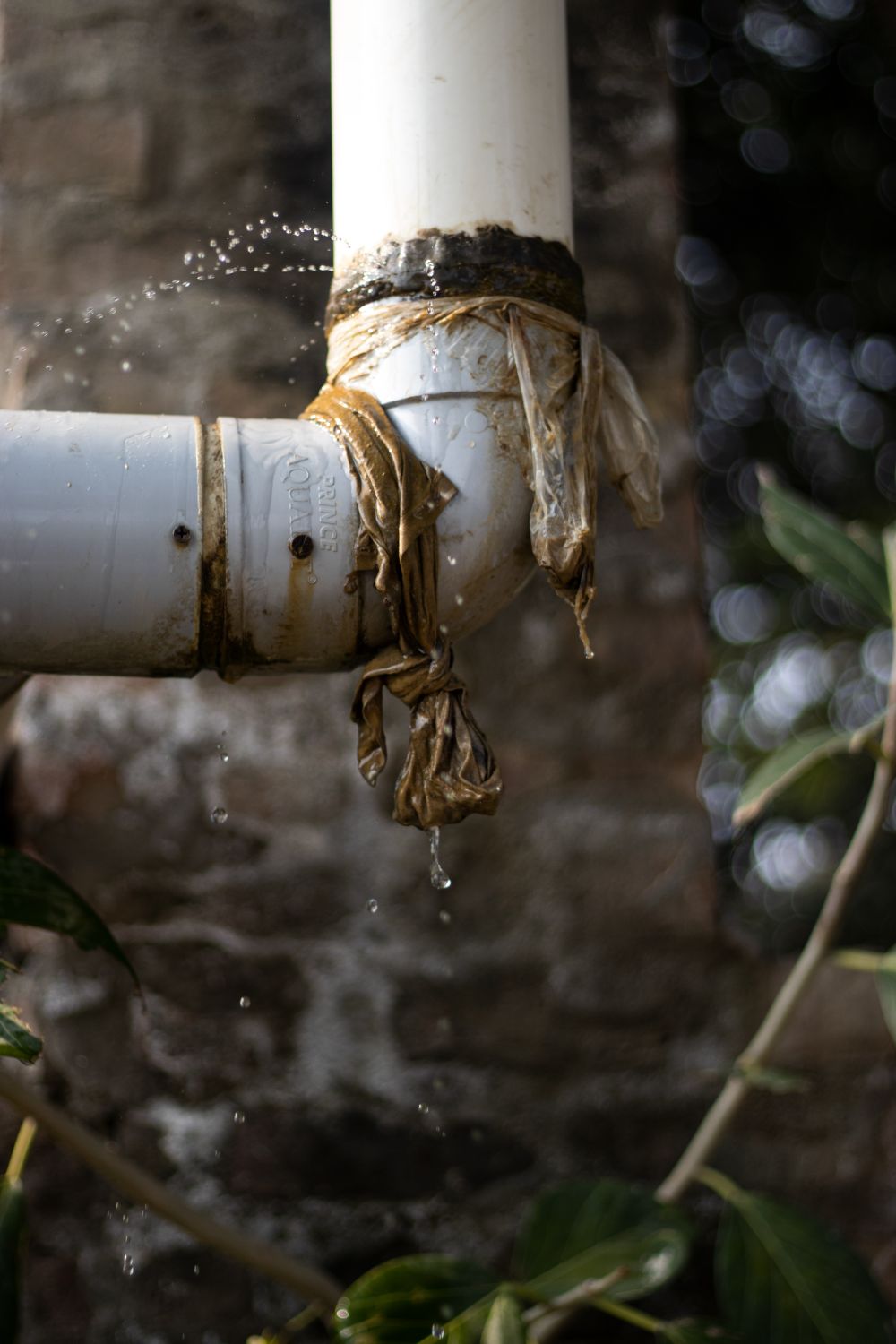
Replacement after a water heater leak
If the tank has to go, the visit becomes a replacement. The technician drains and disconnects the old heater, brings the new one into place and reconnects the water lines, plus the gas line and venting on a gas unit or the power supply on an electric one. Before they leave, they check for leaks and confirm the heater is producing hot water.
This is a good moment to ask whether the same type and size still suits your household. Some families stay with a like-for-like tank. Others look at a gas water heater with a different venting style, or an electric water heater or heat-pump model if their home is set up for it. If the leak came with lukewarm showers, the guide to no hot water explains what else may have been going on.
Drain pans and leak alarms
A drain pan under the heater catches small drips and, when it is piped to a drain, can carry water away before it spreads. Pans are especially useful where the heater sits in a closet or above finished rooms. A simple battery leak alarm on the floor beside the tank can warn you early, which matters most for heaters in rooms you rarely visit.
Whether a pan, a pipe to a drain or an alarm makes sense depends on where your heater is and how the space is laid out. Ask the technician during the visit. Requirements can vary, so they will tell you what applies to your installation.
Water around water heater closets and basements in Burke
Most Burke homes were built from the 1960s through the 1980s, so many water heaters here sit in basements and lower-level utility rooms of split-levels and colonials, or in utility closets in townhomes. A leak in an unfinished basement may stay on the concrete. The same leak beside a finished family room or inside a townhome closet can reach carpet, drywall or the ceiling below much faster.
Cold winters add another factor. Incoming water is colder for much of the year, so heaters work harder and condensation on gas units is more common. That is why the technician confirms whether water around the water heater is condensation or a true leak before recommending anything. If you are in one of the townhome communities, see what we cover for water heater repair in Lakepointe. If you are in a colonial with a finished basement near Burke Lake, read about water heater repair in Edgewater.
Close the cold-water valve if it is safe to reach, then call.