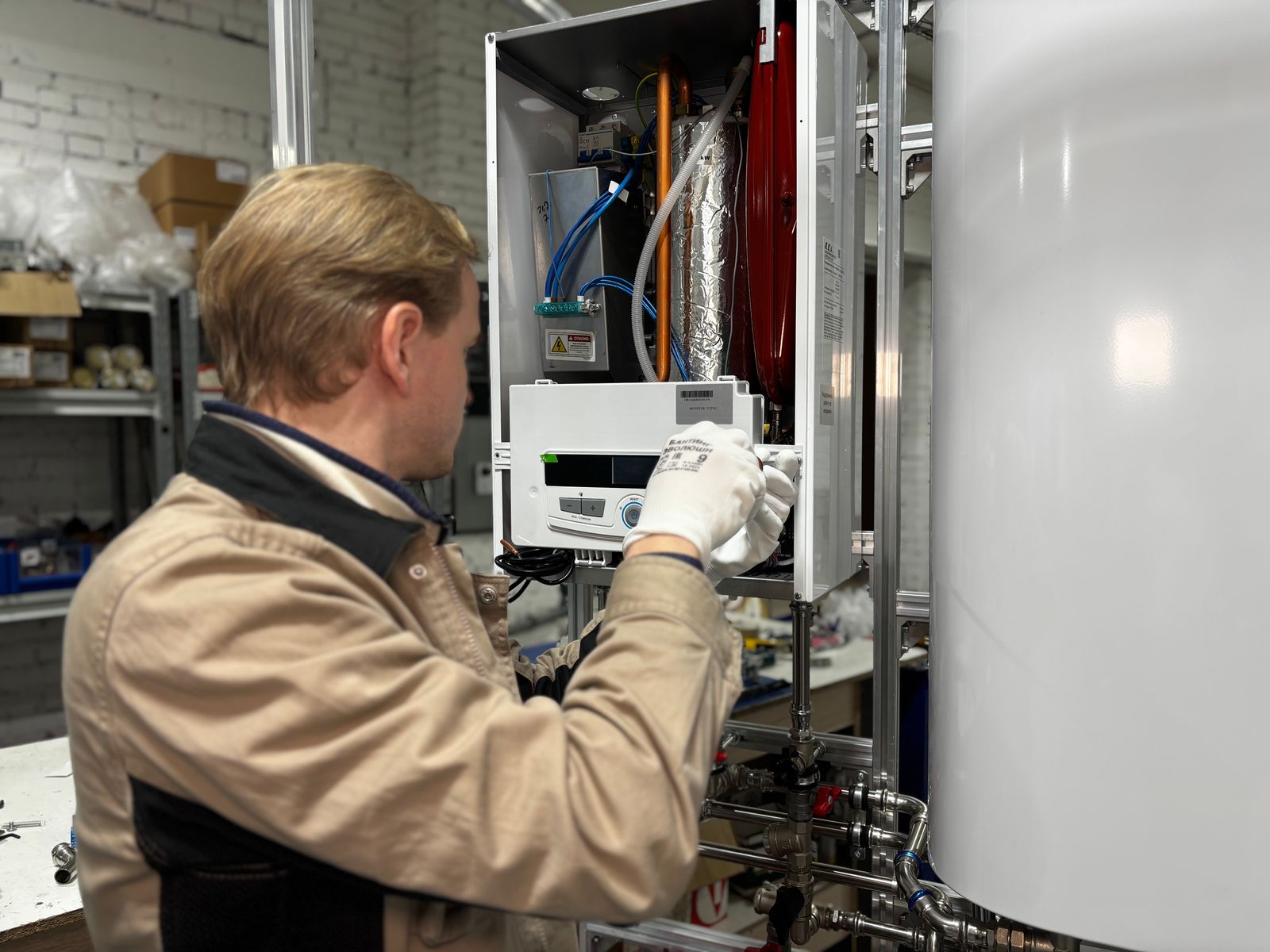
Water heater installation in Burke, done properly
Water heater installation in Burke usually happens for one of two reasons. Either the old heater has started leaking or stopped heating, or a homeowner wants to replace an ageing unit before it fails. Every new water heater install starts the same way: a conversation about how your household uses hot water, where the heater sits and what fuel the home has.
That conversation matters more than the brand on the box. A heater that is too small leaves the last person in the shower with cold water. One that does not suit the venting or space can cause trouble later. The technician looks at the existing setup, explains the choices and gives you an upfront price for each before any work begins.
Water heater sizing for your household
Good water heater sizing starts with people, not gallons. How many showers run back to back in the morning? Is there a large soaking tub? Do the dishwasher and washing machine often run at the same time as showers? Those answers shape the recommendation.
The technician will also talk about two terms you may see on a spec sheet. Recovery rate describes how quickly a tank reheats after it has been drained. First-hour rating describes how much hot water a heater can deliver in a busy hour. A household with several early risers may be better served by a heater with strong recovery than by simply buying a bigger tank. If space is tight, a tankless water heater may also come up as an option.
Gas, electric, heat-pump or tankless: how the pro helps you choose
Most Burke homes heat water with natural gas, though some have electric heaters, especially homes with heat pumps. Switching fuel types is possible but involves more work, so the first question is usually what the home already supports.
| Type | How it heats | Worth knowing |
|---|---|---|
| Gas tank | Burner under the tank, vented to the outside | Strong recovery; needs the right venting and gas supply |
| Electric tank | Heating elements inside the tank | No venting; recovery depends on element size |
| Heat-pump | Moves heat from the surrounding air into the water | Needs space and airflow around the unit |
| Tankless | Heats water as it flows, no storage tank | Wall-mounted; gas line, venting and flow rate decide fit |
The pro will explain what each option would involve in your home, including any changes to venting, gas lines or electrical supply. Electrical changes are handled by an electrician where needed. You choose once you have the facts.
What happens on installation day
On the day, the technician shuts off the water and fuel supply to the old heater, drains it and disconnects it. The new heater is set in place, often on a stand or in a drain pan, then connected to the hot and cold lines. Gas units are connected to the gas supply and vent. Electric units are connected to their existing circuit.
Once the tank fills, the technician checks every connection for leaks, confirms the vent is drawing correctly on gas models and makes sure the heater reaches temperature. They walk you through the controls and show you where the shut-off valve is. Ask about removal of the old unit when you book so it is part of the plan.
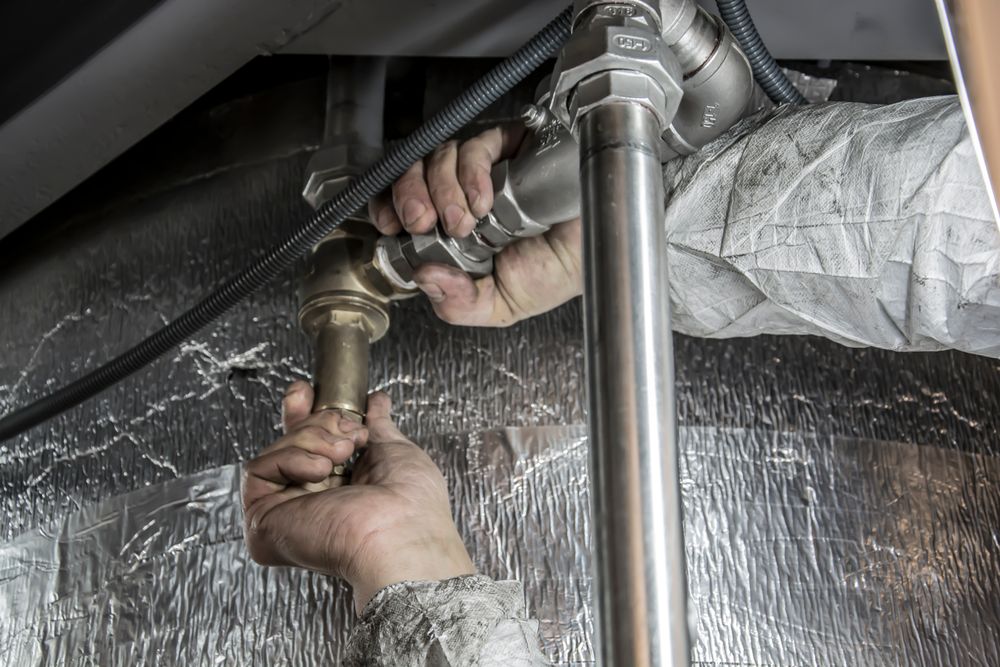
Venting, expansion tank installation and drain pans
A new heater is more than the tank. Gas heaters need a vent that carries combustion gases safely outside, and the technician checks the existing flue or vent before connecting a new unit. Power-vent and direct-vent models use a fan or sealed vent and may suit homes where a traditional flue is not available.
Expansion tank installation is another common question. When water heats it expands, and in a closed plumbing system that extra volume needs somewhere to go. A small expansion tank on the cold line gives it room. Whether you need one depends on your plumbing, and the pro will explain what they find. Drain pans under the heater are often recommended where a leak could reach finished space.
Permits and inspections: ask the pro
Rules for water heater replacements can vary depending on the type of work and where you live. Rather than guess, ask the technician when you book. They can tell you whether a permit or inspection is expected for your installation and how that is handled.
It is also worth asking what the workmanship guarantee covers on the completed work, and what the manufacturer's warranty covers on the heater itself. Keep the paperwork with the heater's manual.
Fitting a new water heater in a Burke basement, closet or garage
Burke's homes are mostly 1960s to 1980s split-levels, colonials and townhomes, and each layout brings its own installation questions. In split-levels and colonials around Lake Braddock and Signal Hill, the heater usually sits in a basement or lower-level utility room, often beside the furnace. Access down the stairs and past finished rooms decides how the old tank comes out and the new one goes in.
In townhomes, the heater is often in a utility closet with little clearance on either side. That can limit which models fit and how the vent is routed. The technician measures before recommending a unit. See what we cover for water heater repair in Lake Braddock and water heater repair in Signal Hill, or read about a leaking water heater if your old tank is already dripping. If the problem is cold showers rather than a leak, start with the no hot water guide.
Tell us the size and fuel type and we will dispatch a local tech.